Why turning hype into habit is the next step for women’s sport

Women's Sports Editor
As women's sport continues on its upward trajectory, the focus is now on turning flashpoints into sustainable growth.
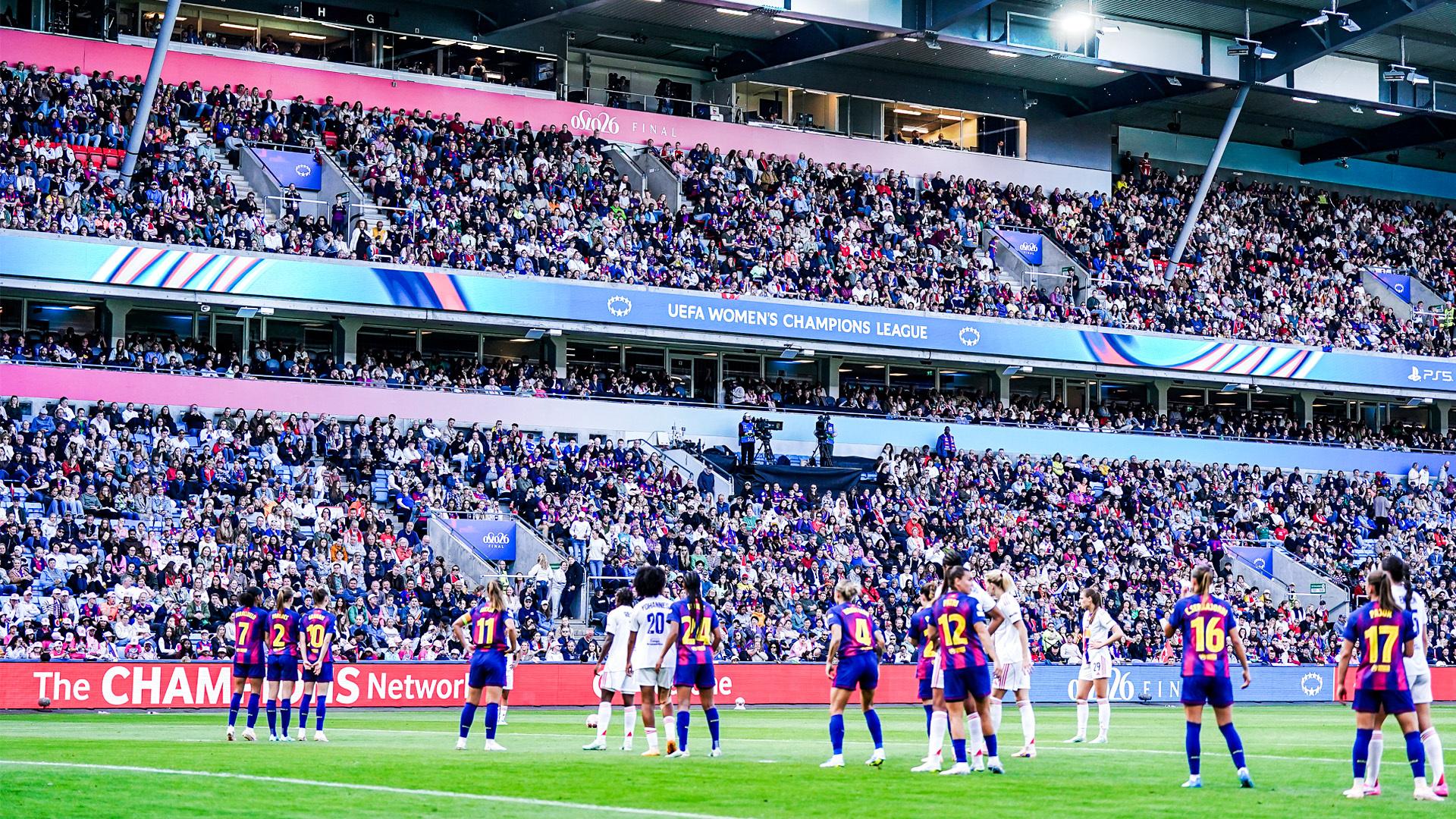
Earlier this year, a record crowd for a women’s football match in Norway watched Barcelona defeat OL Lyonnes 4-0 to win a fourth Women’s Champions League title.
Inside the Ullevaal Stadion, the final showcased the growth of the women’s game. In the hours before kick-off, the UEFA Business Case for Women’s Football explored how that growth can continue.
The annual event, now in its fifth edition, brings together influential figures in women’s football to explore the opportunities, challenges and trends shaping the game. The phrase that kept returning throughout the morning was simple – from hype to habit.
For years, the focus in women’s sport has been to prove its potential. As a result of record crowds, growing audiences and landmark commercial partnerships, that conversation has now shifted. The challenge is no longer creating moments of attention but turning them into lasting behaviours that sustain long-term growth.
From first-time fans to regular supporters
One of the most striking aspects of the Business Case for Women’s Football was the tone, which was confident rather than speculative.
There was little discussion about whether women’s football deserves investment or whether there is demand for the product – those arguments have been won. Instead, the focus was on how to make today’s momentum last by encouraging fans to return week after week.
No presentation captured that shift better than Arsenal chief commercial officer Juliet Slot’s case study on the record-breaking attendances for the women’s team.
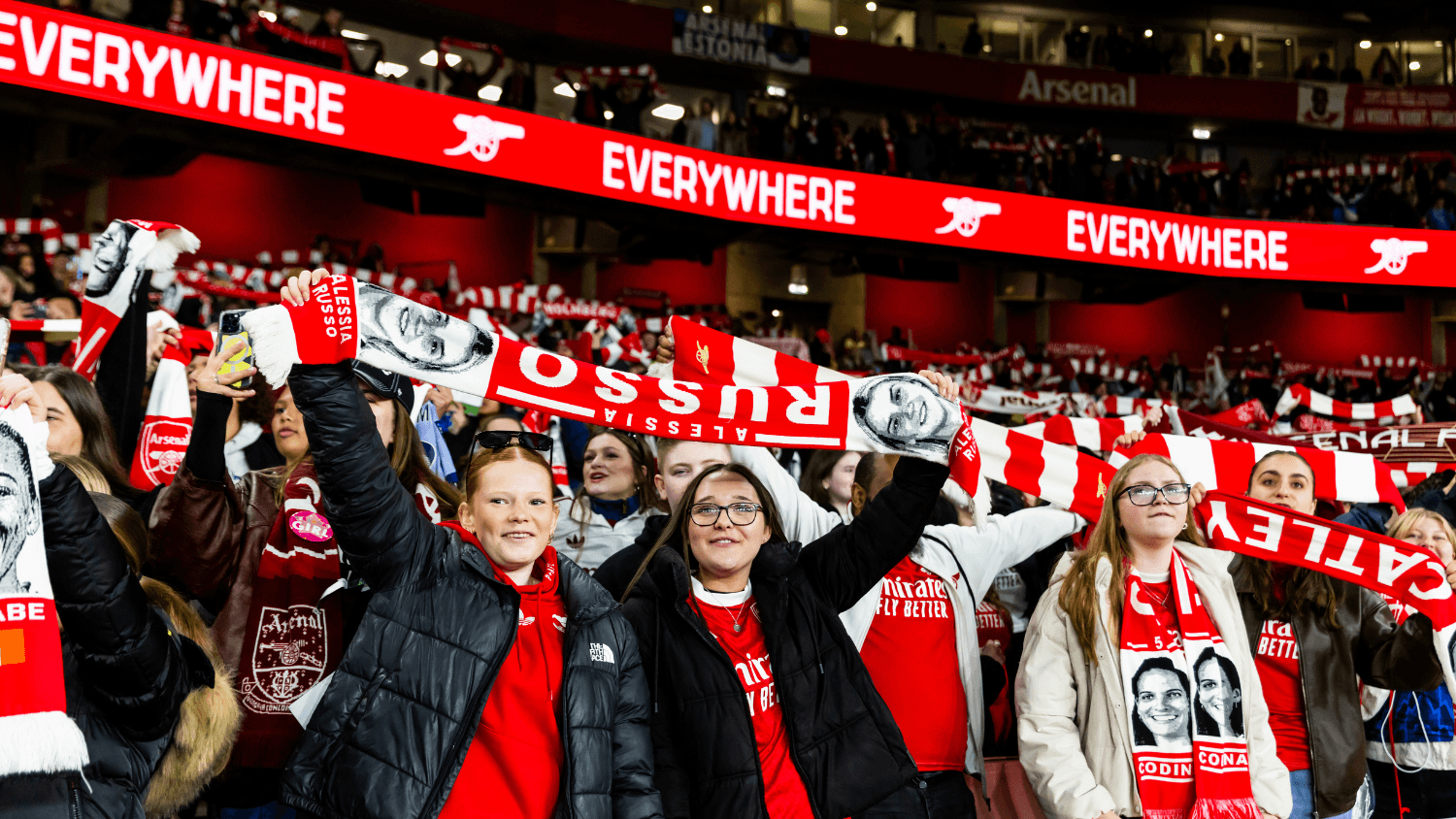
Slot outlined a long-term strategy built around understanding supporter behaviour. She explained how Arsenal had invested heavily in marketing the women’s team, introduced flexible ticket packages, used supporter data to identify and engage new audiences, refined the matchday experience and worked closely with fans to shape everything from the stadium atmosphere to supporter initiatives.
The results speak for themselves. Ticket sales increased from around 282,000 in 2022/23 to more than half a million in 2025/26. The average attendance for Women’s Super League matches at the Emirates this season reached 33,808 – a figure that ranks above half of Premier League clubs.
Perhaps the most telling statistic, however, was that Arsenal sold 17,000 season tickets and multi-match packages. The ambition wasn’t simply to fill the stadium for one-off occasions, but to build a loyal fanbase that returns throughout the season.
Building habits beyond matchday
That theme continued in a panel featuring Women’s Super League CEO Nikki Doucet and New York Liberty CEO Keia Clarke, who shared practical examples of how organisations can turn growing interest into recurring fan behaviours.
Doucet spoke about making women’s football as easy as possible to follow by creating predictable kick-off times, improving digital platforms and giving fans more consistent ways to engage throughout the season.
Meanwhile, Clarke provided a case study away from football. She described a similar philosophy in the WNBA, explaining how the New York Liberty thinks beyond basketball to create an entertainment experience that gives different audiences different reasons to return.
Whether supporters come for elite sport, family entertainment or a sense of community, the principle is the same – meet people where they are and give them reasons to come back.
As Clarke’s perspective from the WNBA demonstrated, turning hype into habit is a priority for leaders across women’s sport, regardless of the competition or market. It’s clear the next stage of growth for women’s sport will depend on turning record moments into loyal audiences.