From inequality to advocacy: Why sustainability is at the heart of women’s sport

Women's Sports Editor
We examine the unique relationship between women's sport and climate change
From 9 to 11 July, influential voices from across women’s sport gathered at the IWG Global Summit 2026 in Birmingham to explore the ideas, policies and programmes that will shape the future of gender equality in sport.
I spoke at the Summit, explaining why organisations should embed sustainability into their communications, and how doing so can deepen connections with audiences, unlock commercial partnerships and support the long-term growth of women’s sport.
But before we get to that opportunity, we need to understand the key idea underpinning it – the unique relationship between women’s sport and climate change.
The inequities of climate change
Unfortunately, the foundation of the relationship between women’s sport and sustainability is inequality.
According to UN Environment, 80 per cent of people displaced by climate change are women. Environmental hazards tend to amplify existing gender inequalities, from access to healthcare and education to economic security and physical safety.
The environmental crisis hits women harder, and sport is no exception. Research suggests female athletes may face specific challenges linked to rising temperatures and air quality, while, despite the progress of recent years, they still contend with unequal access to resources – from lower pay and sponsorship opportunities to inferior training facilities and more precarious playing conditions.
These structural disparities leave them more vulnerable to the physical and financial disruption caused by climate change.
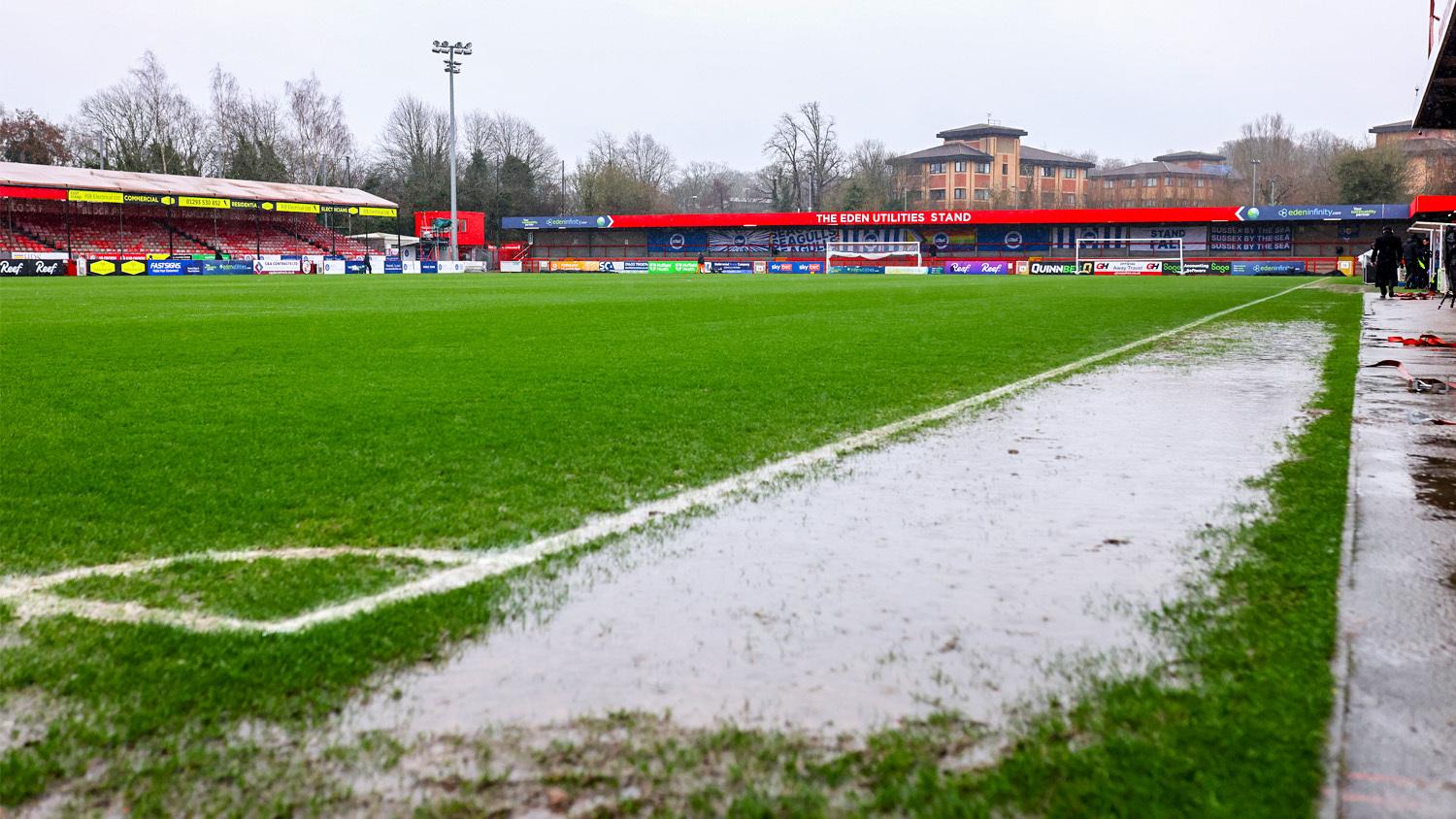
Take football, for example. In the UK, the top-flight teams in men’s football play in big stadia with robust infrastructure. But most teams across the Women’s Super League (WSL), Women’s Championship, FA Women’s National League and Scottish Women’s Premier League play at smaller grounds, often shared with other teams, making them more vulnerable to extreme weather.
Indeed, climate modelling released by Green Football’s The Great Save and Zurich Resilience Solutions in May 2025 revealed that over three-quarters of pitches used by women’s teams in the above leagues could face serious climate-related threats within the next 25 years.
By 2050, these pitches may be subject to wind gusts of up to 120 miles per hour, flood depths approaching two metres, heatwaves lasting more than two weeks and prolonged droughts.
Some female football players are already feeling the impact. Planet League’s ‘Women’s Football and Climate Change: The Players’ Perspective’ report found over two-thirds of players believe climate change is already affecting football, with more than 70 per cent saying playing conditions have worsened as a result.
From heatwaves to frozen fields, extreme weather is not just disrupting the fixture calendar, but also the safety, development and career progression of female athletes. Because the conditions they compete in are often already more precarious, the impact lands harder.
Athletes taking action
In Planet League’s report, 96 per cent of the female players surveyed agreed they had a significant role in championing climate action. Indeed, a growing awareness of the impact of climate change on women’s sport is fuelling a rising wave of advocacy. For many female athletes, environmental action isn’t just a side interest but is tied directly to the future of their sport.
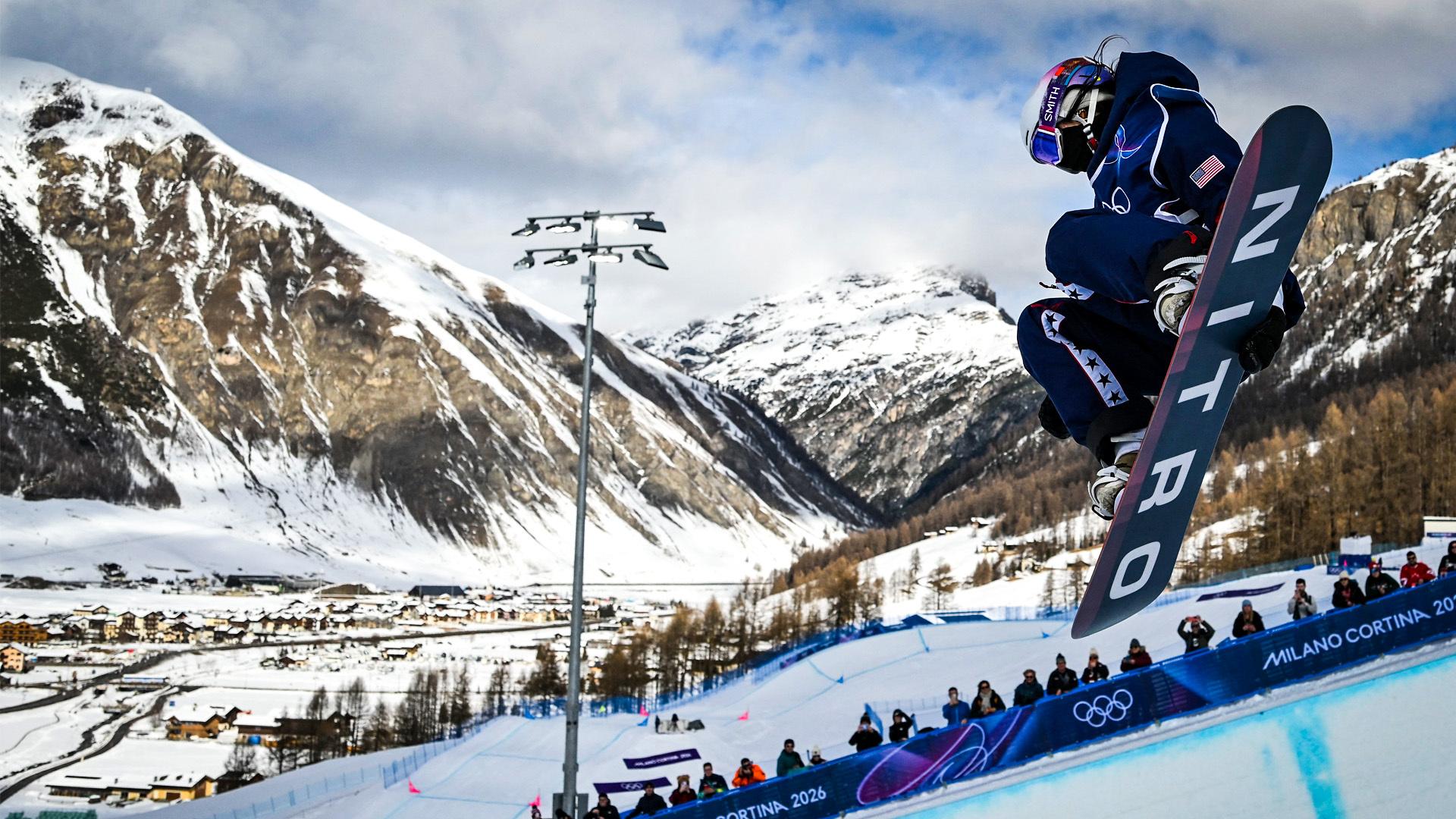
Sustainability was a central theme at the Milano Cortina 2026 Winter Olympic Games earlier this year, for example, with athletes emphasising the need to protect the fragile alpine ecosystems that make winter sport possible.
Jessie Diggins, who earned her fourth Olympic medal by finishing third in the women’s cross-country skiing 10km freestyle, was one such athlete. As board member of Protect Our Winters (POW), Diggins has lobbied policymakers and trained fellow athletes to advocate for climate action – snowboarder Bea Kim, freestyle skiers Olivia Giaccio and Svea Irving, ski mountaineer Anna Gibson and cross-country skier Julia Kern are among the Olympians also in the POW Athlete Alliance.
Speaking to The Guardian in late 2024, Diggins reflected on why her work mattered: “It’s important to be more than an athlete. To care passionately about climate. To not be perfect and still take action. People need sports heroes who are imperfect; they need to see reality. I sleep better at night because I’m using my platform for more than just winning.”
On the water, two-time Olympic sailing gold medallist Hannah Mills is one of sport’s most influential voices on sustainability, setting up the Big Plastic Pledge and co-founding Athletes of the World. Meanwhile, Canadian rower Gabrielle Smith was recently named as an IOC Climate Action Awards finalist for her Rising Tides project, which focuses on improving water quality and restoring Canada’s waterways.
In football, Tottenham Hotspur defender Amy James-Turner has helped lead the conversation, spearheading Planet League’s report and calling for change across the game. But she is far from alone.
In October 2024, more than 100 professional female players signed an open letter urging FIFA to reconsider its sponsorship deal with Saudi Arabian oil giant Aramco, calling instead for commercial partnerships aligned with a “safe future for our planet”, among other values.
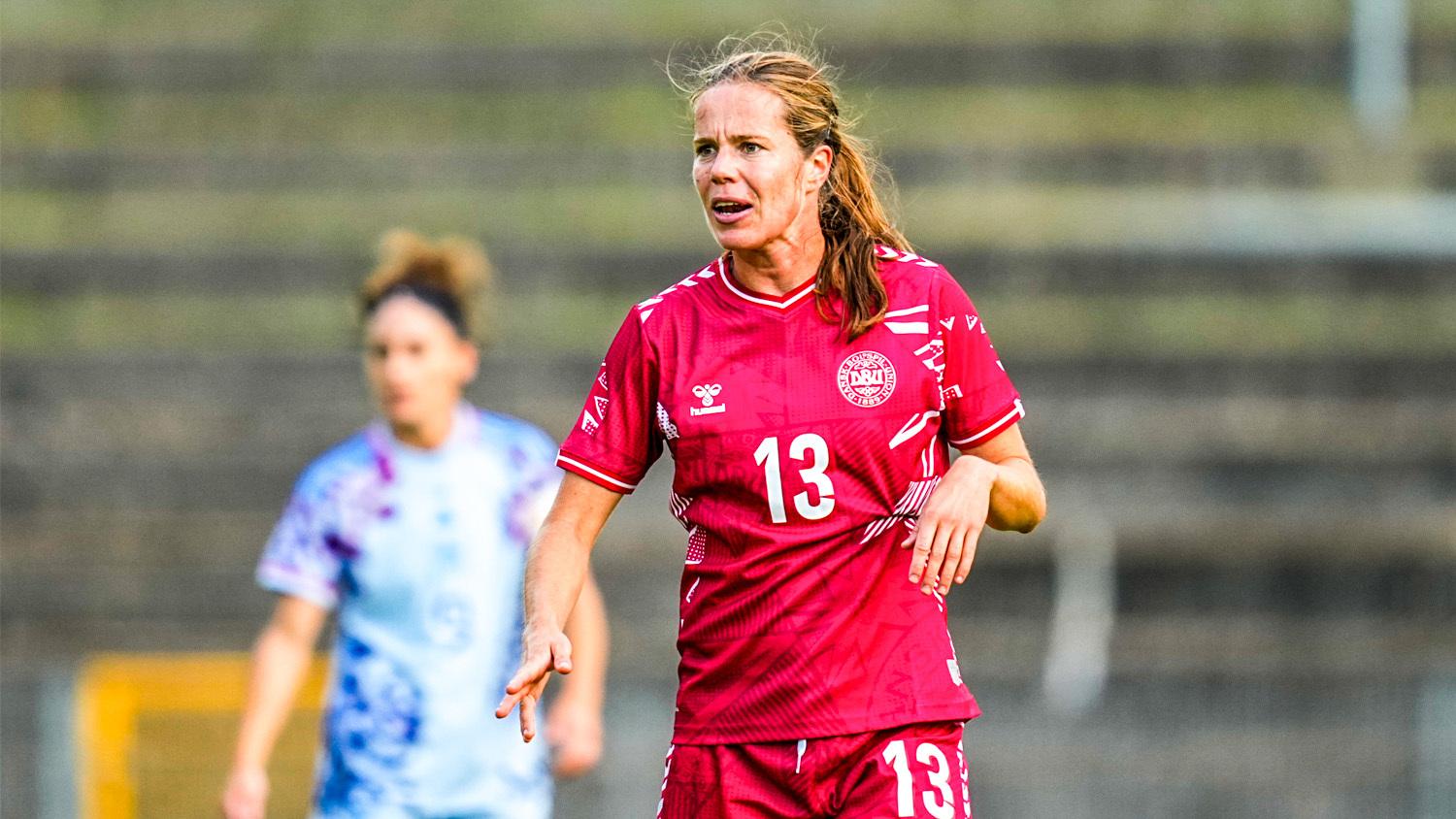
In addition, 44 players competing at the 2023 FIFA Women’s World Cup – led by Denmark international Sofie Junge Pedersen – committed to taking climate action over the flights taken to and from Australia and New Zealand for the tournament.
The players, who also included Canada captain Jessie Fleming and Italy captain Elena Linari, donated money to a combination of climate-resilience and carbon-offsetting initiatives.
In an interview with Women’s Sport Insider last year, James-Turner explained why she felt female players were often at the forefront of conversations about sustainability in football.
“Women’s football has always had to fight to exist,” she said. “I believe that’s why we have so many great advocates for social change in the game – brave players, with an authentic voice, who can empathise with the outside world.
“We will always continue to push the needle. The motivation to ‘leave the shirt in a better place than we found it’ will always exist in all of us.”
Indeed, women’s sport has a history of leading social change. That legacy has shaped a generation of athletes unafraid to speak out and built an audience that values purpose as much as performance.
An audience that cares about climate change
With all the above in mind, it is unsurprising to discover that women’s sport fans really care about sustainability.
The She’s A Baller survey of over 1,600 women’s football fans showed 87 per cent of respondents believed it was either very important or somewhat important for women’s football to be environmentally sustainable. The study also highlighted an appreciation for female players advocating climate action, with 93 per cent of the respondents strongly agreeing or agreeing with that sentiment.
This wasn’t passive support, either. Of the respondents, 88 per cent actively engaged in eco-friendly practices such as recycling, and 67 per cent said they did their best to adopt eco-conscious habits.
That commitment to sustainability influences relationships with brands and sponsors, too. According to a report from The Collective, 32 per cent of female sports fans globally favour brands that care about the environment, compared to 29 per cent of male fans.
Meanwhile, the Women’s Sport Trust reports that 77 per cent of sponsors involved in women’s sport invest in the space to showcase their CSR credentials – a reflection of an audience that rewards brands aligning with its values.
At its core, the connection between women’s sport and sustainability is straightforward. The athletes care. The fans care. And, most importantly, the future of women’s sport depends on protecting the environments it’s played in.
As women’s sport continues to grow, it must hold on to the values it was built on. Taking sustainability seriously is not just good for the planet, but also essential to the authentic and lasting growth of the industry. Communicating those efforts matters, too.
For governing bodies, leagues, clubs and brands, sustainability storytelling can grow fan engagement, strengthen brand value and unlock commercial partnerships, while also raising awareness of the climate-related challenges facing women’s sport and helping drive the action needed to protect its future.
I’ll be exploring these ideas in more detail at the IWG Global Summit 2026, looking at how organisations can communicate sustainability in ways that are authentic, engaging and strategically valuable – I hope to see you there!