Rising sponsor expectations: what this means for rights holders

With major events like the Australian Open expanding their commercial programmes, we explore how rights-holders can meet growing demands from sponsors
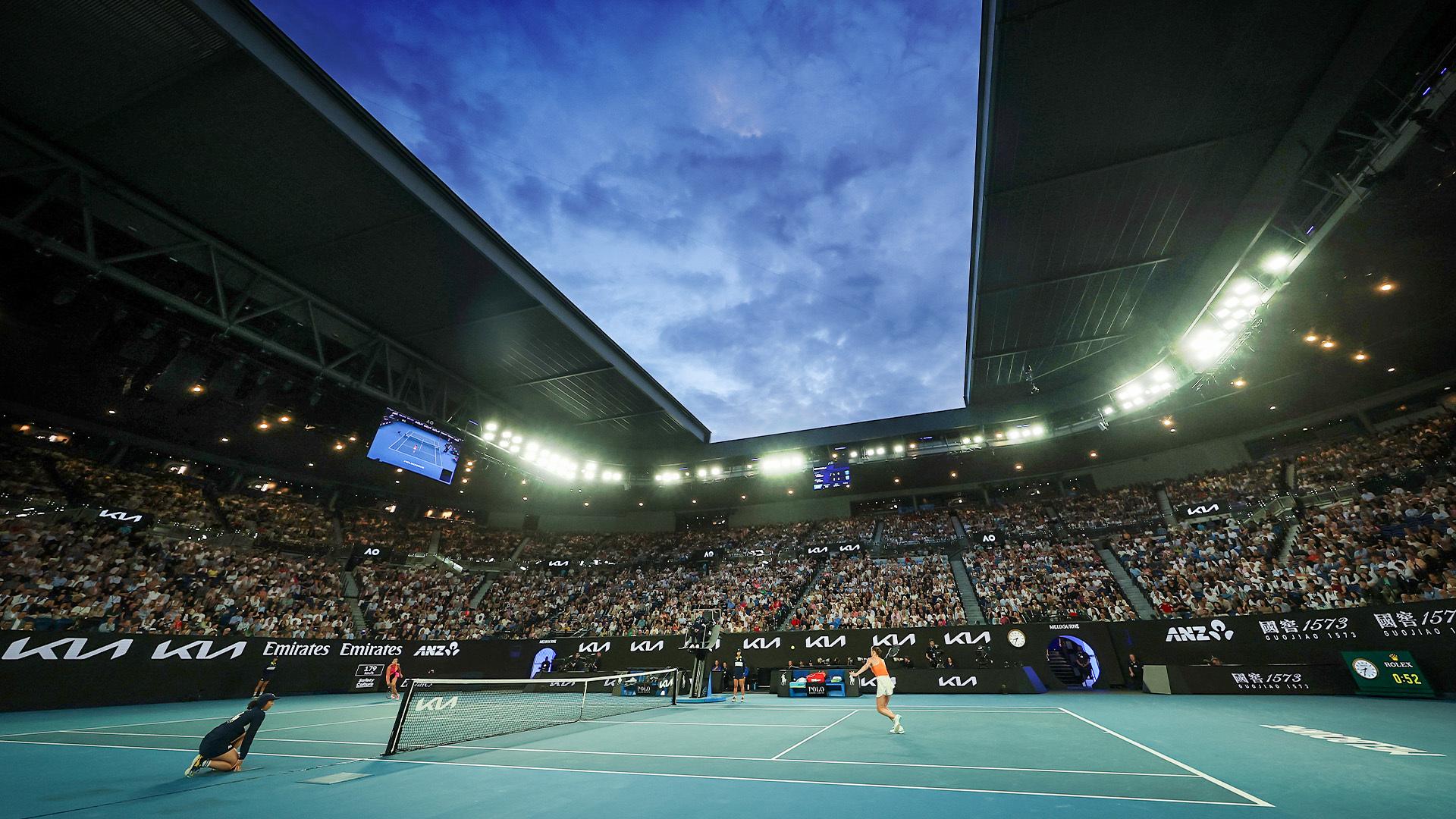
All eyes will be on Rod Laver Arena in Melbourne this weekend as the Australian Open draws to a close, with Novak Djokovic facing Carlos Alcaraz in a blockbuster men’s final, and Aryna Sabalenka aiming to clinch a fifth Grand Slam title as she faces former Wimbledon champion Elena Rybakina.
While the tennis has taken centre stage, the tournament’s vast and ever-expanding commercial programme has also been on display, highlighting the scale and complexity of modern sports sponsorships, and what that means for rights-holders.
The size and scale of the Australian Open’s sponsorship programme
The Australian Open’s sponsorship programme has grown significantly in recent years. Industry reports suggest sponsorship income has roughly doubled over the last five years, making partnerships one of the event’s most important revenue streams. The scale is also visible in the partner roster itself. For the 2026 tournament, the Australian Open lists 46 official partners, spanning automotive, finance, airlines, luxury, health, technology, food and drink, and consumer brands.
Long-standing relationships, such as those with Kia and Rolex, now sit alongside a wide range of newer and more specialised partners, including in emerging categories such as crypto trading. The result is a vast and varied sponsorship programme, spanning dozens of partners across multiple categories.
Regardless of the size of a sponsorship programme, events like the Australian Open bring greater visibility to sponsor activity and to the role rights-holders play in communicating it.
What sponsor activity now looks like around major events
Sponsor activity around the Australian Open spreads far beyond courtside branding or hospitality, spanning the entire tournament grounds, as well as advertising and promotional campaigns, social channels and off-site experiences that tap into the wider cultural moment around the tournament.
Much of this activity is communicated directly by brands themselves. That increases visibility and variety, but it also makes the overall sponsorship picture harder to interpret. From a rights-holder perspective, the challenge is not whether sponsors are active, but how easily that activity can be understood as a coherent programme rather than a series of individual brand moments.
Rising expectations for rights-holders
As sports sponsorship programmes have expanded in scale and complexity, sponsor expectations have evolved with them. Around major events like the Australian Open, these expectations tend to focus on a few consistent themes.
Sponsors still expect strong visibility during peak moments, but they also expect clearer recognition of their role and contribution beyond logo placement, as well as a simple and straightforward way to understand what their partnership delivered once the event is over.
Together, these expectations place greater emphasis on how partnerships are communicated, not just how they are delivered.
Why communication and reporting matter most after the event
In this environment, the role of the rights-holder has expanded too. Delivering assets remains essential, but it is no longer enough on its own. With dozens of partners activating at the same time, often communicating through their own channels, there is a growing need for context, consistency and clarity.
Clear communication during the event helps show what sponsors are doing. Strong reporting afterwards helps pull everything together, explaining what happened, how partners were involved and why it mattered. Data plays an important role, but it works best when it supports a clear narrative rather than replacing it.
Explaining sponsorships more clearly
This is the space Touchline Activate works in. We don’t sell sponsorships or deliver activations. We focus on how sports partnerships are explained, helping rights-holders clearly show what partners did and why it mattered, across content and reporting.
As sponsorship programmes grow in size and complexity, particularly around major events like the Australian Open, that explanation becomes harder – and more important.
We help rights-holders bring partner activity together into a clear, credible narrative that showcases the true value and impact of their sponsorships.