Olympic inspiration reaches further than ever

Record streaming figures and billions of digital engagements at Milano Cortina 2026 underline the growing global reach of the Olympic Games.
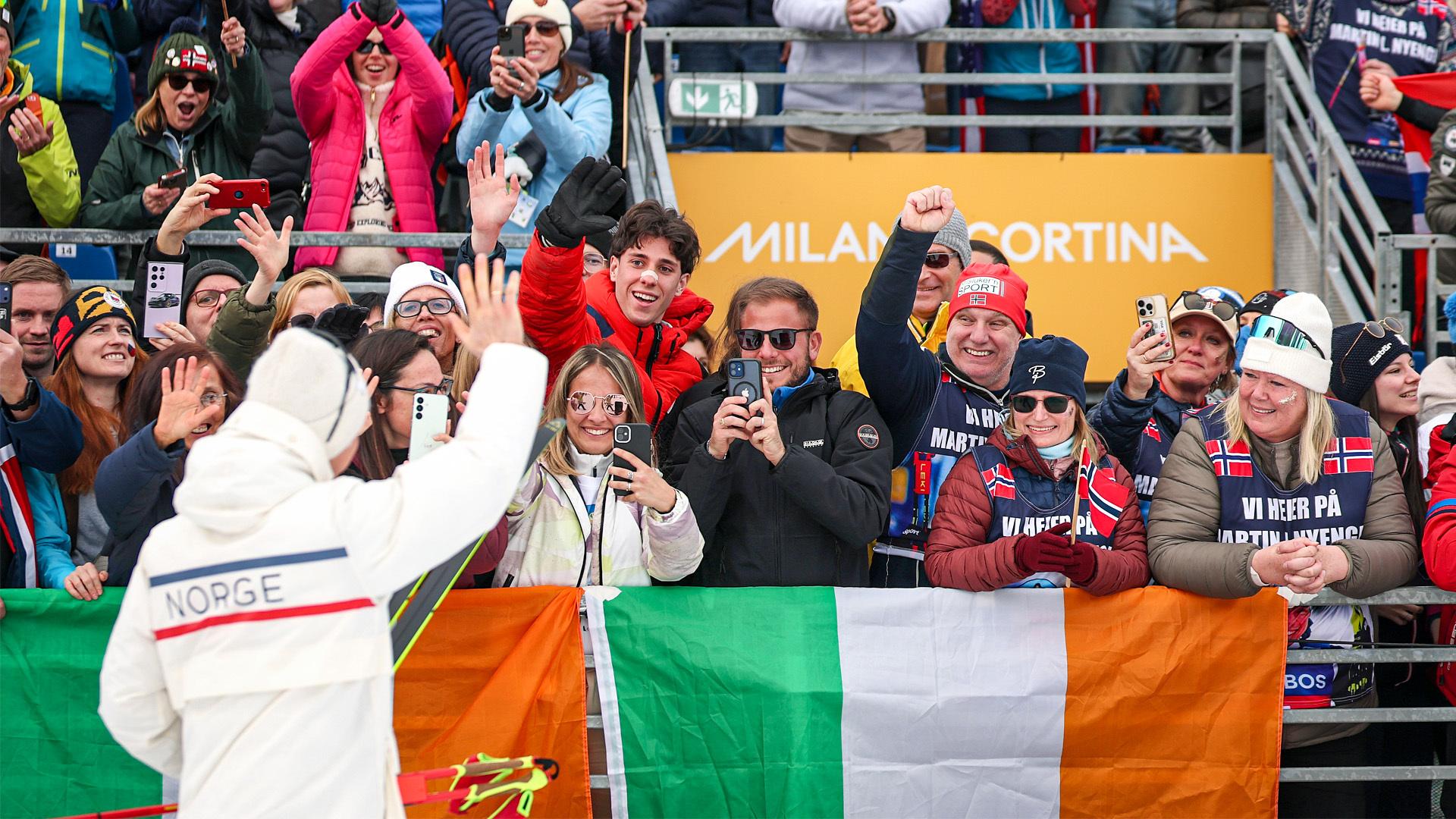
Whether you were marvelling at the gravity-defying acrobatics of Eileen Gu in the halfpipe, stunned by the daredevil speed of Matt Weston on the skeleton track, or mesmerised by the tactical battles on the curling rink, fans around the world were completely absorbed by the action at the Milano Cortina 2026 Winter Olympics.
Broadcasters in every time zone reported record-breaking audiences totalling in the billions, while digital engagement reached mind-boggling numbers.
The amount of people watching on streaming platforms, in particular, surged to unprecedented levels. In the United States, more than 16.7 billion minutes of coverage were streamed on NBC’s Peacock service – more than double the total of all prior Winter Games combined – while Warner Bros. Discovery reported triple-digit percentage growth in hours viewed across Europe compared to Beijing 2022.
The official Olympic social media platforms also generated some 10 billion engagements across the Games, while the Olympics web and app platforms surpassed 110 million users, with the app ranking as the number-one sports app in more than 75 countries.
While numbers like these can be difficult to comprehend, the overall picture is pretty clear: the Olympics are now reaching more people, in more ways, than ever before.
The International Olympic Committee often talks about using digital platforms to reach new fans and engage younger audiences. While I was on-the-ground at Milano Cortina 2026, covering my ninth Olympics as a journalist, it got me thinking about how I first “engaged” with the Games.
That took me all the way back to a family holiday somewhere in Cornwall in the summer of 1992, when the Barcelona Olympics dominated the small TV screen in our caravan as we cheered on the likes of Sally Gunnell, Chris Boardman, Matthew Pinsent and Steve Redgrave.
As an aspiring young sprinter, however, it was Linford Christie’s victory in the 100m that really captured my attention and made me dream that maybe one day I could follow in his footsteps all the way to the Olympic podium.
Spoiler alert: I could not.
While my Olympic dream remained just that, the way the Games captivated my whole family – including my mum, who I’d never seen as much of a sports fan – made me realise how big and significant this event must be.
It was the same again two years later, as Lillehammer 1994 brought us all together to watch Torvill and Dean’s comeback. I’d certainly never seen anyone in my family watch figure skating before, but it being the Olympics made it essential viewing.
By Atlanta 1996, I was old enough to stay up into the middle of the night to see whether Christie could defend his title, watching bleary-eyed and bewildered as he was disqualified for two false starts in the final.
Come Athens 2004, I was travelling in Southeast Asia and began to appreciate just how global the Games were. In Thailand, I remember groups gathered around screens at a roadside restaurant to watch the weightlifting. Meanwhile, in Laos, I had to track down an internet café (remember those?) to discover that Britain had won gold in the men’s 4x100m relay. Running the anchor leg that day was Mark Lewis-Francis, who I had competed against years earlier. I suppose some kids’ Olympic dreams really do come true.
The digital revolution
While I didn’t make it anywhere near an Olympic podium, I did finally find myself at the Games in 2010, when I headed to Canada as a wide-eyed 20-something journalist.
Looking back, it was a significant place to start. Vancouver 2010 is often described as the first real “social media Games” and marked the beginning of a decisive digital shift in Olympic broadcasting.
These were the first Winter Games to offer live and on-demand coverage worldwide online and on mobile phones, with digital coverage reaching around 130 million people and generating approximately 300 million video views. The IOC’s Facebook page had just launched and attracted 1.5 million fans in a matter of weeks, while its @Olympics Twitter account had 12,000 followers. Yes, 12,000.
Those numbers felt significant in 2010. By Milano Cortina 2026, they look almost quaint.
Digital coverage of the Games now reaches more than 1.5 billion people and generates over 20 billion video views. The IOC’s Facebook page, meanwhile, now has 32 million fans, its Twitter (or X) following has grown to 5.8 million, and across all social channels the Olympic accounts now boast more than 172 million followers.
Mobile coverage was still a novelty in 2010. Now, walking around Milan and the mountain venues in Bormio and Livigno, I saw fans watching live events on their phones while standing in queues. My mum follows results on the Olympics app. No one needs to find an internet café anymore, as the Games are right there in your pocket.
That digital shift is seen in the way journalists like me work at the Olympics as well. In Vancouver, my focus was entirely on print, gathering content for a magazine that wouldn’t be published until weeks after the Games. Now, stories are online shortly after they’ve been written.
Inside the Main Press Centre in 2010, there were pigeonholes filled throughout each day with printed start lists and results. We were also given a thick printed Media Handbook about the size of the Yellow Pages, containing venue maps, transport schedules and everything else we needed to know. Carrying that around in a backpack for two weeks felt like a real workout.
Now the handbook is a PDF. Transport routes are managed through a dedicated app with a built-in journey planner. Start lists and results arrive instantly on your phone.
Bringing fans closer than ever before
The digital revolution is also visible in the way athletes now connect with their fans.
Lindsey Vonn is one of the few athletes whose career spans from Vancouver to Milano Cortina. In 2010, she had roughly 25,000 followers on Facebook and around 35,000 on Twitter. Updates were sparse and limited to 140 characters.
By the time she arrived in Italy, her following stretched to more than 3.5 million on Instagram and 1.8 million on Facebook. And these were the platforms she used to update her fans – and the media – about her condition following her horrific crash in the downhill.
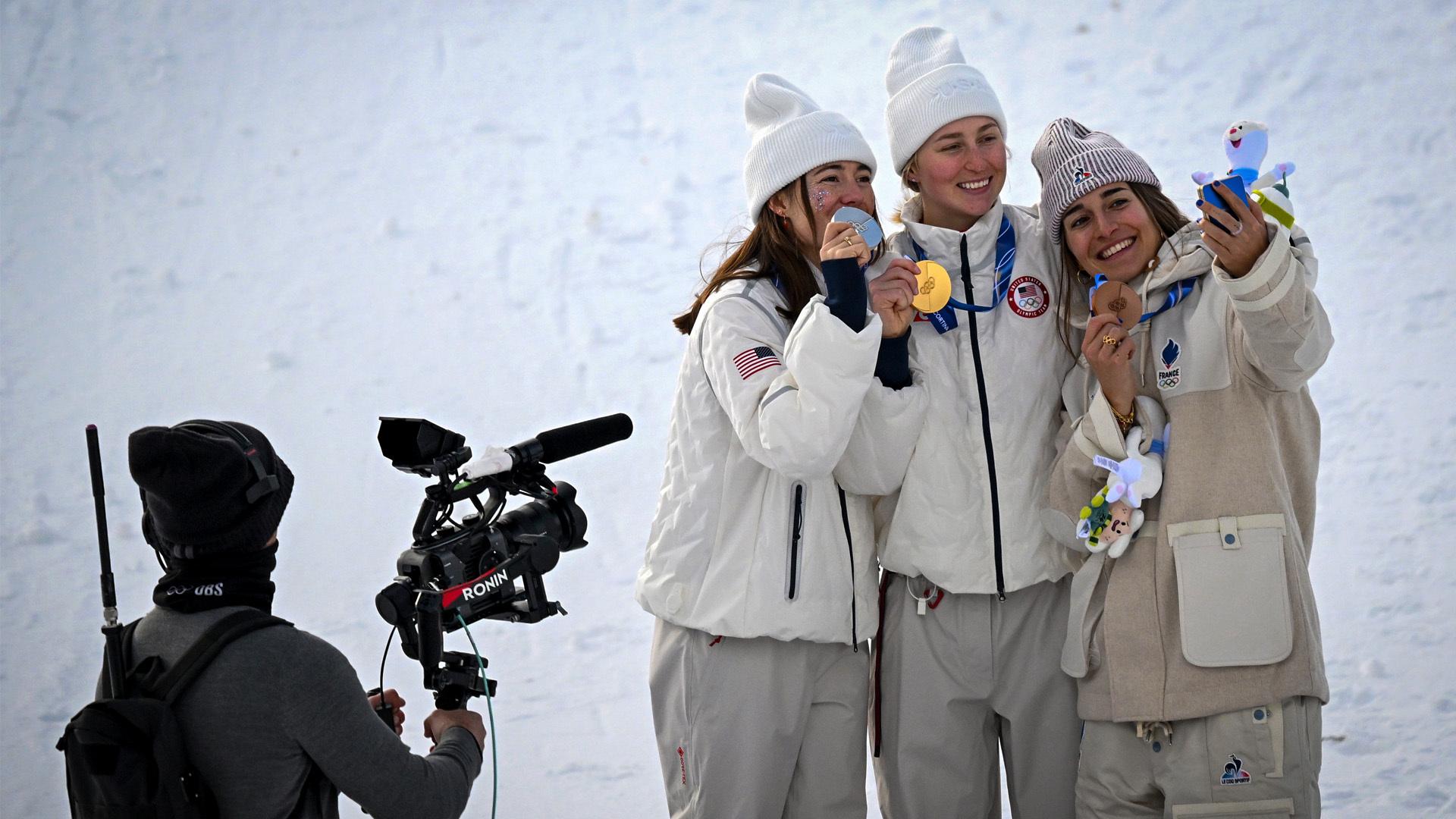
And she wasn’t alone. Throughout the Games, athletes were sharing their Olympic experiences across social media with their collective one billion followers, giving them a glimpse of life in the Olympic Village and driving more than 1.4 billion interactions across their own channels.
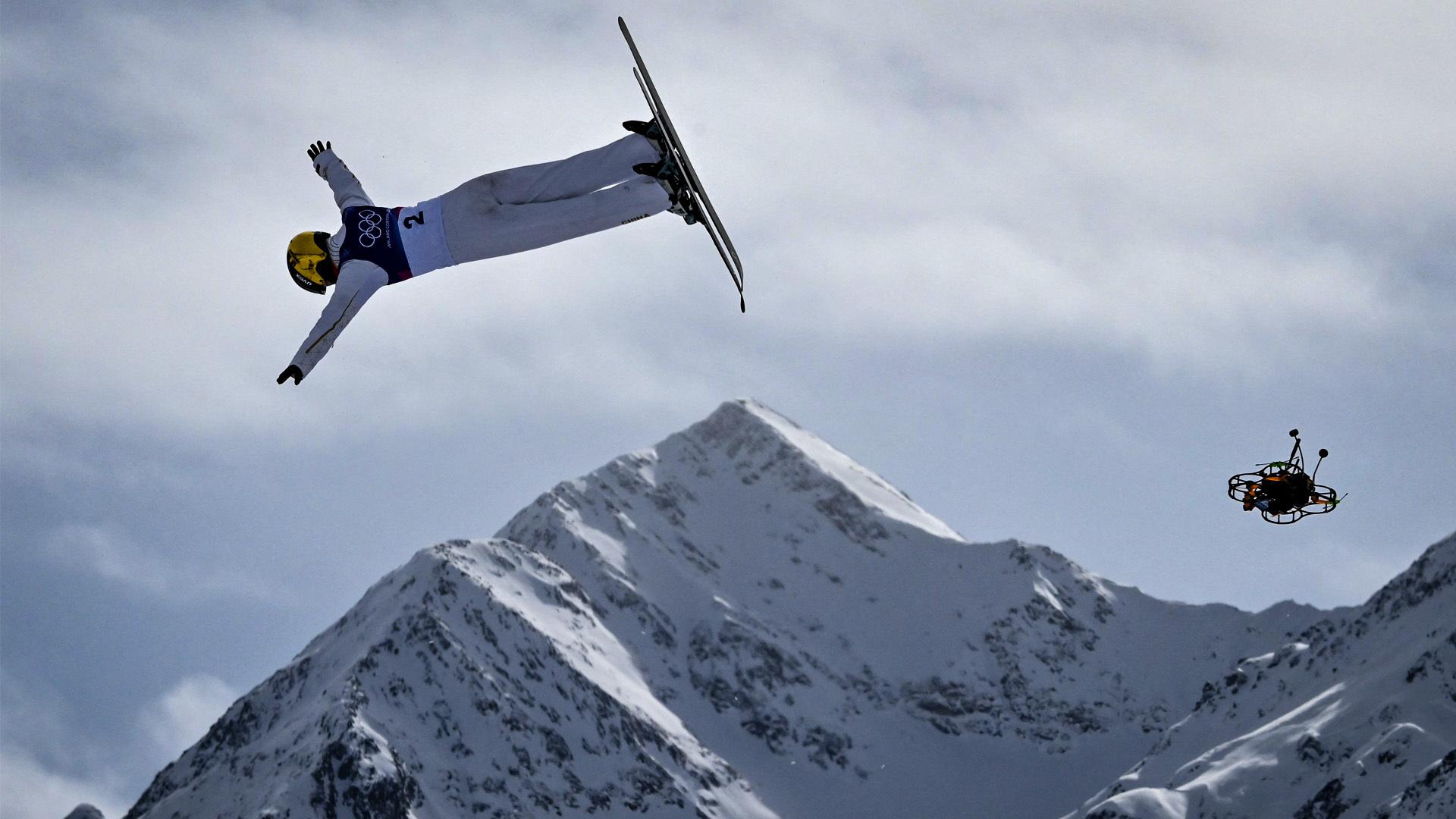
Broadcast coverage has evolved too, using new technologies to bring fans closer than ever to the athletes and their incredible performances. The most eye-catching innovation at Milano Cortina 2026 was undoubtedly the increased use of drone-mounted cameras. A total of 25 drones, including 15 first person-view (FPV) drones, offered viewers a more vivid perspective of the speed and technique involved as athletes hurtle down mountains or icy tracks.
Beyond drone footage, AI-powered replay and tracking systems also added a new layer to coverage at Milano Cortina 2026. From real-time movement analysis to instant performance data in sports like biathlon and figure skating, broadcasts didn’t just show events, but explained them too.
The result of all these innovations is coverage that feels more immersive, more informative and more accessible than ever before.
Inspiration reaching far and wide
While the way the Olympics are shared and experienced has changed, the ability of the Games to inspire has not. And for all the billions of engagements, mobile streams, apps and drone shots, the feeling is not so different from that caravan holiday in 1992.
The Olympics still stop people in their tracks. They still bring families together. They still create heroes for young athletes watching at home.
Streaming and digital platforms now sit alongside traditional television as core ways people follow the Games, allowing fans to keep up with their favourite athletes and sports whenever and wherever they choose. That reach opens the Games to new audiences around the world.
Some of those young fans following along may one day stand on the start line of an Olympic final. Others may simply discover a lifelong love of sport. Either way, they will know where that inspiration began.